For HR teams working with external providers

Turn every laboratory delivery into a record that is easy to consult.

GEXDI Lite imports structured results, organizes them by worker and shows coverage, expiry dates and outstanding items by site.
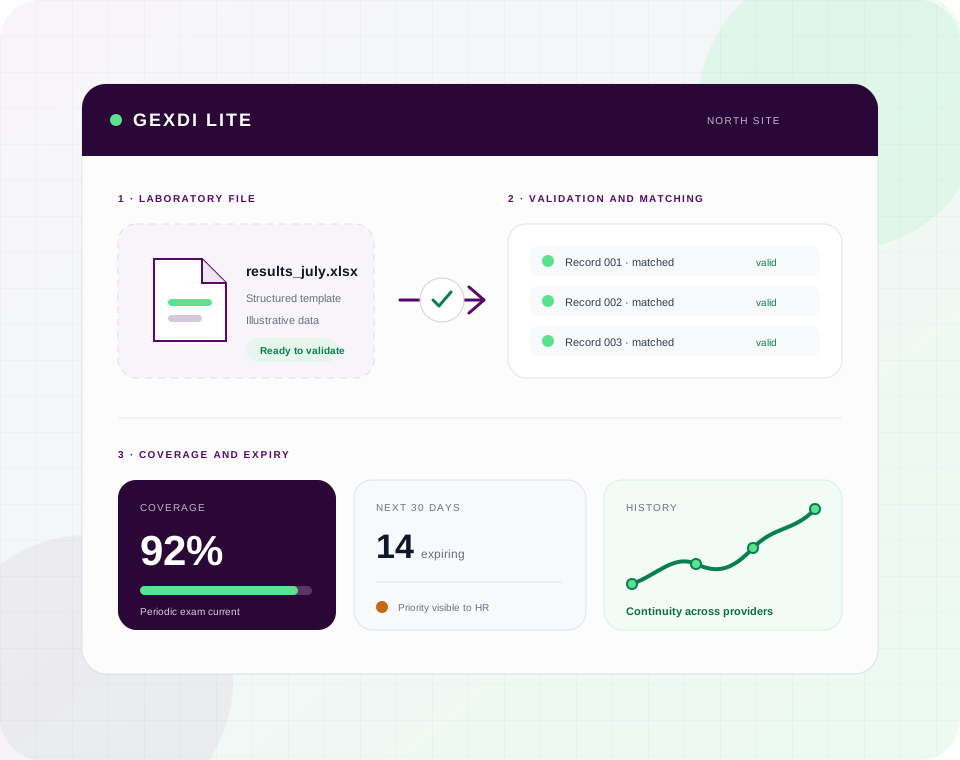
Structured importRecord per workerExpiry datesMulti-site
Illustrative GEXDI Lite flow from a laboratory file through to coverage and expiry dates per worker
Product representation with illustrative names and figures.

Integrated flow

Structured fileRecord validationHistory per workerCoverage by site
From delivery to follow-up

External results keep a common order.

HR reviews the state of the workforce from a system designed to coordinate occupational information.

  1. 01

    The provider delivers an agreed template

    The structure is defined during implementation according to the tests included.

  2. 02

    GEXDI validates and matches the records

    The team reviews matches and exceptions before adding results to the record.

  3. 03

    HR reviews coverage and expiry dates

    Follow-up is organized by worker, site, area or purpose of the exam.

Illustrative import of external results with validation, coverage and upcoming expiry dates
Illustrative flow. Configuration depends on the format and scope agreed.
A flow for the administrative team

Import, review and follow up.

The platform concentrates the history and turns each new delivery into operational information.

  • Import: structured loading of tests delivered by external providers.
  • Record: results and documents attached to each worker.
  • Follow-up: coverage, expiry dates, outstanding items and medical leave within the agreed scope.
Capabilities

What it takes to administer external occupational results.

01

Workforce and sites

Registrations, employment data, bulk loading and organizing the population by site.

02

Results and documents

Importing external tests, attaching them to records and preserving the history.

03

Expiry dates and absence

Pre-employment, periodic and exit events; outstanding items, expiries and medical leave.

04

Indicators and reports

Coverage and follow-up by site, area or job in line with authorized access.

Data governance

The information stays inside a controlled flow.

Technical scope is set for each deployment. GEXDI provides controls to safeguard documents and maintain operational traceability.
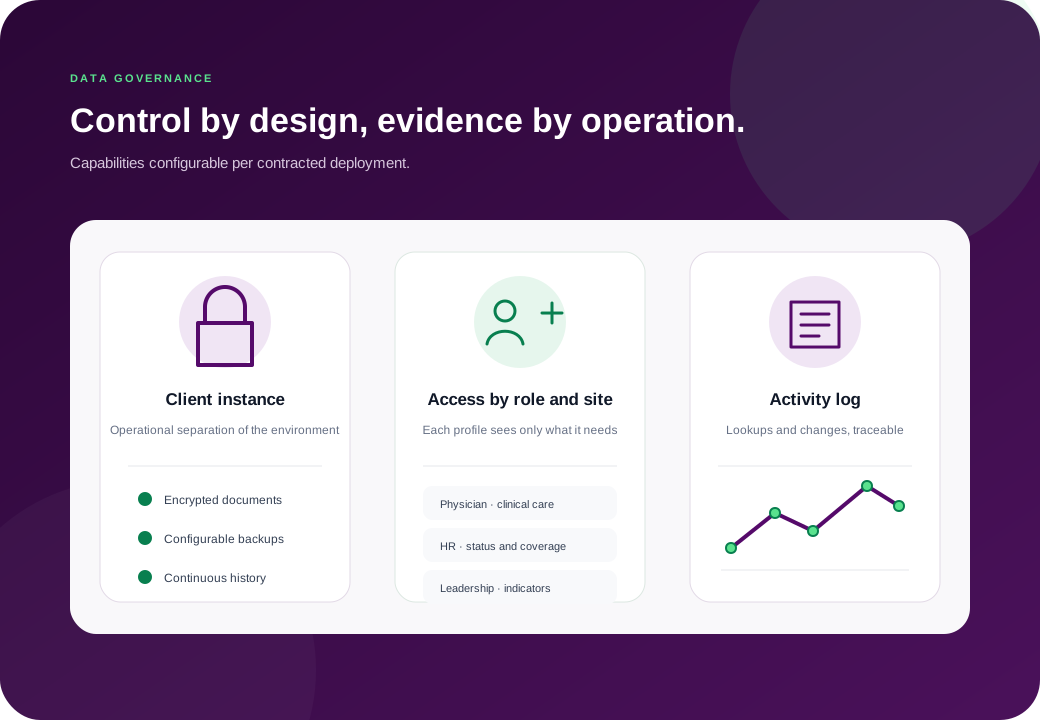
File encryption
Protection for the occupational documents stored.
Permissions by role
Access aligned with authorized duties and sites.
Activity log
Traceability of relevant lookups and changes.
Illustrative architecture with the client instance, role-based access and an activity log
Conceptual diagram. The final configuration depends on the contracted deployment.
Where the product fits

Lite supports operations coordinated from HR.

External laboratories and clinicsTests arrive in batches and need a common history.
Administrative teamsHR coordinates exams, expiry dates, outstanding items and documentary evidence.
One site or severalCoverage is reviewed by location and in a consolidated view, subject to permissions.
Clinical care on site

Does your medical team treat and document inside the company?

GEXDI Full adds clinical care, fitness for duty and preventive programs.

Explore GEXDI Full
Frequently asked questions

What you need to evaluate the next step.

A structured template for importing results is agreed during implementation. The demonstration lets you review a representative file before defining scope.
GEXDI Lite organizes the information and its administrative follow-up. Clinical interpretation belongs to the provider or to the health professional authorized by the company.
Results already loaded stay organized in the GEXDI record under the contracted service, regardless of which provider produces later tests.
Deployment and the applicable measures are defined per client. The platform provides file encryption, role-based permissions and an activity log.
Let’s talk with a real example

Let’s review the format your providers send you.

In 30 minutes we walk through an import with fictitious data and the follow-up that comes after.